


Osteoporosis Diet & Nutrition
Top Foods to Eat
Here are the top foods you should include in your diet based on research of dietary approaches for bone health.¹
Fruits and Veggies
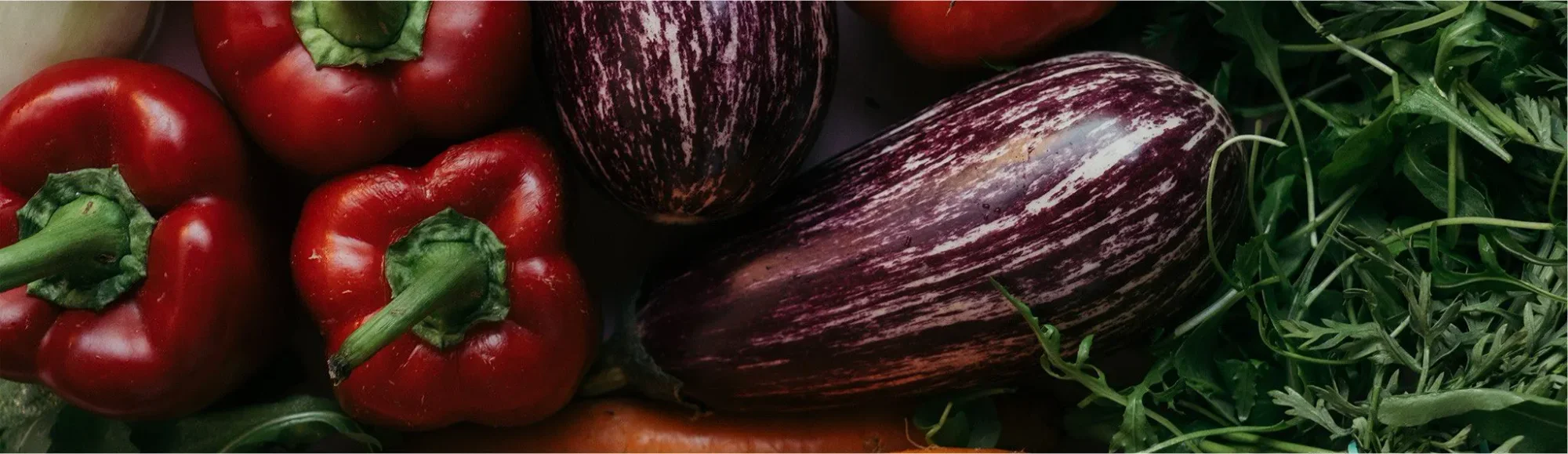
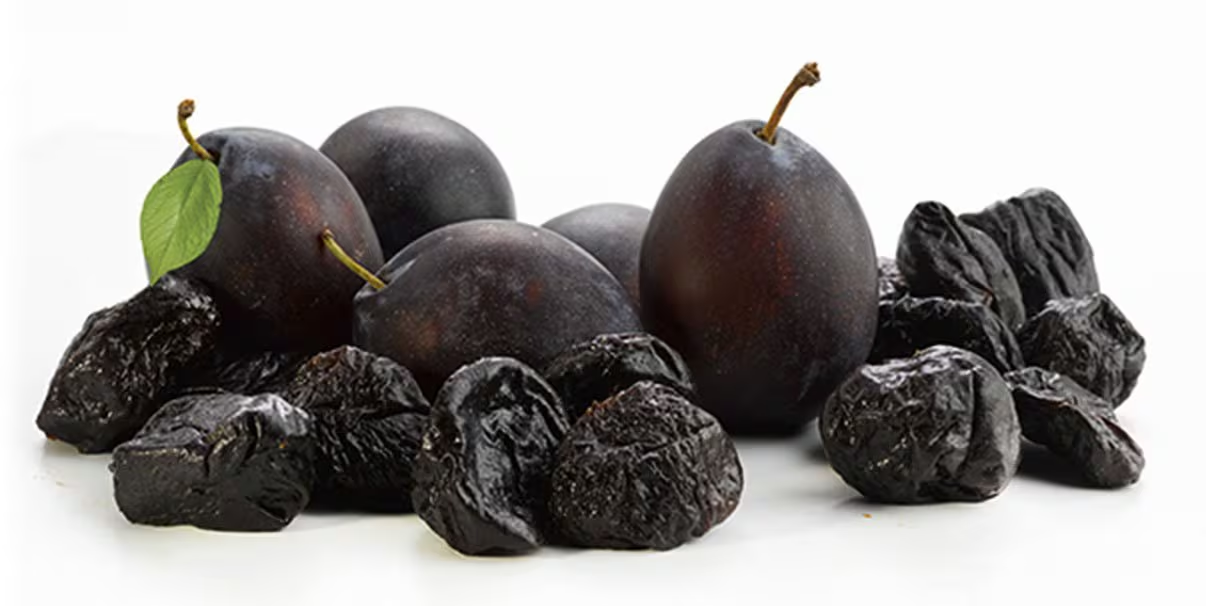
Higher fruit and vegetable intake is associated with less bone mineral density (BMD) loss and a resulting higher BMD. You see, fruits and vegetables provide a whole host of key nutrients like folate, and bone-supporting magnesium, potassium, and vitamin K1. Plus antioxidants like carotenoids and vitamin C. And let’s not forget calcium! Dark leafy greens like kale, collard greens, bok choy and broccoli rabe are all calcium-rich foods. And it couldn’t be easier to add them to your diet. They can all be incorporated into salads, soups, smoothies and even juices. If you want to change things up, try the lesser-known mustard and turnip greens, which have a bit of a spicier note. Don’t overlook the sea veggies either. Along with kelp, other sea veggies like nori, wakame, and kombu are packed with calcium, phosphorus, magnesium, iron and other trace minerals that contribute to strong bones. Just make sure your sea veggies are responsibly sourced to ensure sustainability and purity. When it comes to fruit, acerola cherries, guava, strawberries, and blueberries are all rich in antioxidants. Antioxidants (like vitamin C, beta-carotene, vitamin E and lutein) play a crucial role in bone health because they combat oxidative stress. And oxidative stress has been linked to many diseases, including osteoporosis. Antioxidants activate osteoblasts (bone-building cells), play a role in the mineralization process, and help reduce the activity of osteoclasts (bone-resorption cells).² If you have low bone density or worry about your bone health, there’s another wonder-fruit you’ll want to know about. You may know it as the main ingredient in your parents or grandparents favorite juice, but it’s got a lot more going for it than you may think! Yes, we’re talking about prunes (dried plums)!
Prunes have been shown to positively affect bone mineral density in a number of studies. In fact, their anti-inflammatory and antioxidant properties are just one aspect of their bone-building benefit. Prunes also contain boron, which is a trace mineral that’s been linked with reducing osteoarthritis symptoms and promoting stronger bone health. The most recent research shows that just 4-5 prunes per day is effective in protecting bone mineral density in postmenopausal women! To discover more, check out our post on Prunes and Osteoporosis.
Seafood
If you’re a seafood fan, you’re in luck! You already know seafood tastes great, but research shows it protects your bones too. The Framingham Osteoporosis study looked at associations between polyunsaturated fatty acid and fish intake and hip bone mineral density.³ The levels were measured at baseline, and then four years later. Results showed that both women and men with who ate more than 3 servings of fish per week gained hip bone mineral density. And individuals with low to moderate fish intake ended up losing bone mineral density. The researchers concluded that fish consumption may protect against bone loss. They also noted that these protective effects on bone may be dependent on the omega 3 fatty acids eicosapentaenoic acid (EPA) and docosahexaenoic acid (DHA), specifically. EPA and DHA have been linked with positive bone health, improved eye health⁴, cardiovascular health⁵, and combatting depression⁶ and anxiety due to their anti-inflammatory properties.⁷ Additional cross-sectional studies have also associated habitual fish intake with greater BMD.⁸ Salmon, mackerel, sardines, and anchovies are among the oily fish packed with bone-healthy nutrients- especially those omega 3 fatty acids. In fact, canned sardines and sockeye salmon also pack a calcium-punch, boasting 383 mg of calcium and 239 mg of calcium in one serving! Finally, fish are an excellent source of protein and are typically lower in calories than meat or dairy.
Dairy
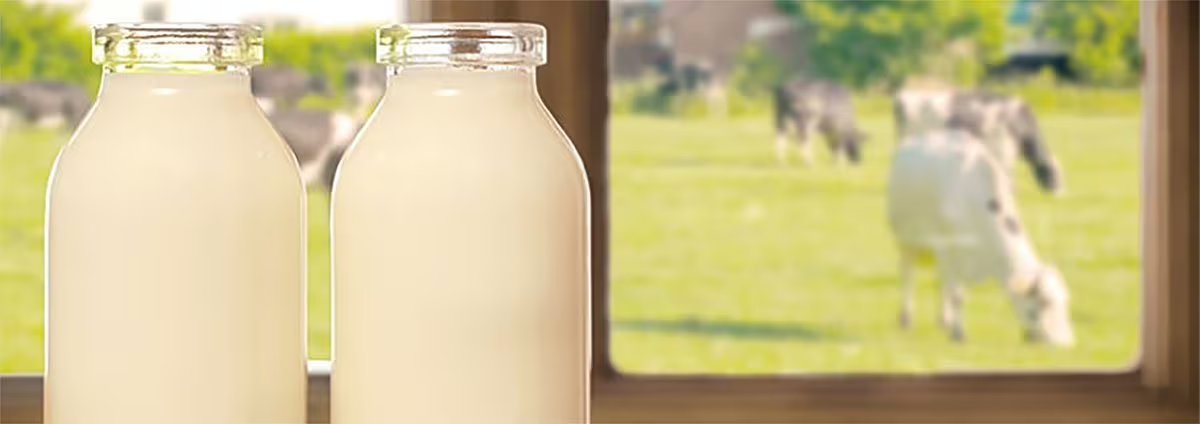
There’s no doubt dairy is a great source of complex essential nutrients like calcium, magnesium, protein, vitamin D, vitamin B12, zinc and riboflavin. (To discover exactly how much calcium is in dairy milk– and non-dairy alternatives– check out our “How Much Calcium is in Milk?” page). Given that dairy foods are considered an essential source of bone-building nutrients, plenty of studies have been conducted to discover their protection against osteoporosis. Some cross-sectional studies have reported positive links between milk consumption and bone density in later life⁹, while others showing the benefits of milk on osteoporotic fractures is less convincing.¹⁰ The reason for all the mixed results? Lactose, a sugar found in cow’s milk. When it’s broken down in your body it produces two sugars: glucose and D-galactose. D-galactose promotes inflammation and chronic inflammation activates osteoclasts (cells that break down bones). We do acknowledge that dairy foods have been controversial and have been accused of leaching calcium from our bones, increasing the risk of fractures, osteoporosis and even cancer. However, when Bone Health Expert Lara Pizzorno sat down to sift through the research and evaluate the studies, she found some surprising results. Read more about the dairy, milk and osteoporosis controversy — including what lactose and D-galactose have to do with it — in our post: Milk and Osteoporosis.
However, the good news is the majority of the research indicates dairy products help support healthy bones. So if you’re not allergic or sensitive to dairy products, keep enjoying them! Also, be sure to enjoy fermented dairy foods, like yogurt and cheeses, especially aged cheeses as these are completely lactose-free. In particular, organic plain, full-fat yogurt delivers the widest range of beneficial nutrients for bones. Not only does plain yogurt contain calcium, but magnesium, zinc, plus small amounts of vitamin K2 (in the form of MK-4), vitamin A, and vitamin D (if it is fortified) and a hefty dose of protein. Research also shows prebiotic and probiotic properties in fermented dairy, like yogurt, may help your gut absorb nutrients from the food you eat, benefiting your bones.¹¹ Pre- and probiotics are in products like kefir, natural yogurt and raw cheeses. Discover more about prebiotics and probiotics in our ultimate guide.
Protein
Protein makes up about 50% of your bone volume and about one-third of its mass!¹² Bone health isn’t just a skeletal issue, rather, it’s a musculoskeletal issue. You see, bone loss and muscle loss that occur with aging are closely related. And factors that affect bone mass, like your protein intake, also affect muscle anabolism (growth). So keeping your entire musculoskeletal system happy and healthy is the goal – and adequate protein intake is crucial.
Protein affects your bones in the following ways:
Alcohol in Moderation
You may be surprised to see this on the Foods for Osteoporosis section, however, alcohol in moderation has been shown to benefit overall health – and now bones! There are two types of alcohol that have been shown to have a positive effect on bone health.
Beer and Silicon
Silicon plays a key role in bone formation by stimulating our production of osteoblasts (bone-building cells), our synthesis of type 1 collagen, and by boosting calcium’s incorporation into bone. It’s also been shown in human studies to improve bone mineral density. Most notably is the large, U.S. population-based Framingham Offspring Study, which reported that higher dietary silicon intake in both men and younger women was associated with improved bone mineral density and skeletal health – especially cortical bone strength (the denser outer part of your bone).¹⁵ Consumption of at least 40 milligrams of silicon daily was the amount associated with increased bone mineral density. In fact, it accounted for up to 10% more bone mineral density between those individuals with the highest (> 40 mg/day) and lowest (< 14 mg day) intakes of silicon. Mineral waters and beer are by far the richest dietary sources of bioavailable silicon.¹⁶ To get the most silicon from beer, drink Indian Pale Ales (IPAs).¹⁷ The silicon all beers contain is highly soluble, but IPAs retain more because they are exposed to less heat during the malting process. The darker ales, such as the chocolate, roasted barley and black malt, all undergo substantial roasting and thus have far lower silicon content. Also look for beers with the highest amounts of hops. Hops contain surprisingly high levels of silicon — as much as four times more silicon than is found in malt. However, hops are used in much smaller quantities than grains in beer production. In Western countries, dietary intake of silicon ranges from 13-62 mg per day. Bone Health Expert, Lara Pizzorno recommends at least 40 mg per day. In addition to being clinically supported to increase bone density safely and naturally ─ Algaecal Plus contains 26 mg of silicon in every daily dose (4 capsules), plus the other 12 essential minerals required for strong bones.
Red Wine and Resveratrol
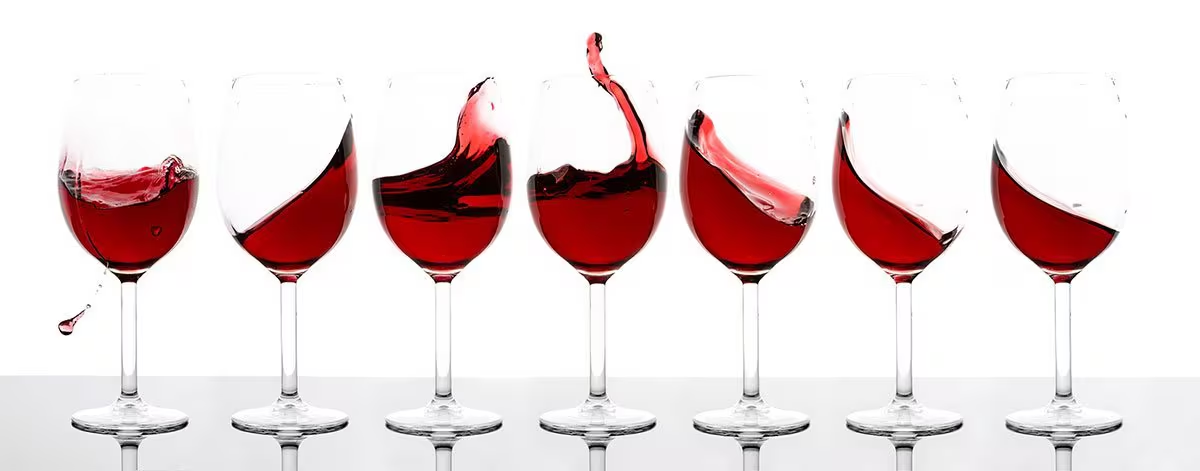
Red wine, in particular, has also been identified from the Framingham Osteoporosis Study to be beneficial to bone health in women.¹⁸ The potential contributor to this association is resveratrol. Resveratrol is a polyphenol that is abundant in red wine, grapes — and even nuts! It’s gained interested and attention for its heart-protecting and cancer-preventing benefits.¹⁹ Resveratrol also possesses anti-inflammatory properties, which are beneficial for bone health.
Alcohol and the “J”-Shaped Curve
Moderate alcohol consumption may offer protection for health and bones, but a review of the studies on alcohol and bone health found that intakes beyond a certain level may show negative effects as well.²⁰ They suggested what is known as the “J”-shaped curve. If you enjoy your glass of red wine or beer at dinner, continue to enjoy yourself! Just keep in mind that excess alcohol consumption has been shown to be detrimental to overall health and bones.
Nutrient Building Blocks for Osteoporosis
Your bones do best when they receive the full combination of all the micronutrients necessary to build new bone – a fact amply demonstrated by the Combination of Micronutrients for Bone (COMB) Study.²¹ The study was published in the Journal of Environmental and Public Health in February 2012. Right after the annual meeting of the American Academy of Orthopedic Surgeons first officially warned doctors that certain osteoporosis drugs increase the risk for “atypical femur fractures.”²² The COMB study firmly demonstrated that providing our bones with the nutrients they need along with regular weight-bearing exercise is as, or more, effective than any of them or strontium ranelate*, produces no adverse side effects and is a lot less expensive! (*Strontium ranelate is the unnatural patent medicine version of natural strontium. The many reasons you do not want to take strontium ranelate, but should consider including a natural form of strontium (e.g., strontium citrate) in your bone-building program, are discussed in our post on the truth about strontium.)
The COMB Micronutrient Combination
Each day, the participants of the COMB Study took vitamin D3 (2,000 IU), DHA (250 mg), K2 (in the form of MK-7,100 mcg), strontium citrate (680 mg), magnesium (25 mg), and dietary calcium. On top of that, they were advised to engage in daily weight-bearing exercise – that’s it! After the completion of the 12-month COMB Study, results revealed an increase of bone mineral density of more than 3% for a major proportion of participants. “This combined micronutrient supplementation regimen appears to be at least as effective as certain osteoporosis drugs or strontium ranelate in raising bone mineral density (BMD) levels in hip, spine, and femoral neck sites,” according to researcher Dr. Stephen Genius. In other words, you can maintain and restore your bone health the natural way with results that mirror or best prescription drugs. Not only did the results show an increase in bone mineral density, but there were no fractures in the group taking the micronutrient protocol, in the entire 12-month time period. If you have been on a bone drug in the past and did not receive the results you expected, this may work for you, too. “Micronutrient combination alone can improve BMD in many patients who failed to achieve success with medications.”
What’s the take home message?
The silver bullet approach (usually a prescription drug, but sometimes one or maybe two nutrients, typically calcium plus vitamin D) is likely to be ineffective. Or even in a “best case scenario,” will be nowhere near as effective at restoring the health of our disintegrating bones as a comprehensive approach that utilizes optimal doses of all the key nutrients our bones require along with regular weight-bearing exercise. Make sure to include all of the minerals, vitamins, and fats outlined in the section below and you’ll have strong, healthy bones for life—naturally.
Essential Nutrients for Healthy Bones
Each of the following nutrients plays a vital role in combating bone loss and building new bone. And ideally, you need to be consuming them all. Click on the name of a nutrient to find out why it’s important.
the FDA states that “Adequate calcium and vitamin D throughout life, as part of a well-balanced diet, may reduce the risk of osteoporosis.”
Major Minerals Required for Healthy Bones
Calcium
Magnesium
Trace Minerals Required for Healthy Bones
Boron
Copper
Manganese
Selenium
Strontium Citrate
Vanadium
Zinc
Vitamins Required for Healthy Bones
Vitamin D
Vitamin K
Vitamin C
Vitamin E
Vitamin B
Fats Required for Healthy Bones
Omega 3 Fatty Acids
Olive Oil
Olives
Olive Polypernols

The All-in-One Bone Building Package
In the space of 70 years, our diets have gone from nutrient-dense to nutrient-depleted. It’s been caused by a variety of reasons:
Here’s the reality. The produce our parents and grandparents ate had significantly more vitamins and minerals than today’s food supplies. A study in the Journal of the American College of Nutrition compared the nutritional data of 43 fruits and vegetables from both 1950 and 1996.⁹⁵ The study found that the crops suffered “statistically reliable declines” in protein, calcium, phosphorus, iron, riboflavin, and vitamin C within that time frame. So even if you are one of the few eating well to support overall and bone health – it still may not be enough. The need for supplementation is ever increasing. Taking supplements is the easiest way to ensure your body is getting enough of the vitamins and minerals that it needs to promote bone health. And as we’ve discussed, it’s not all about calcium. Bone building and maintenance rely on many other minerals and vitamins too: magnesium, boron, copper, manganese, silicon, nickel, selenium, strontium, phosphorus, potassium, vanadium, zinc and vitamins C, D3, and K2. Plus omega 3 fatty acids like EPA and DHA. Now, you might be thinking that that’s a lot of supplements to be taking every day. But what if you could get all of those bone supporting elements in one convenient package?
Well, you can. With our AlgaeCal products:
Which AlgaeCal is Right For You?
Don’t know where to start? Take our quiz to receive a customized recommendation. Take Our Quiz.
Loading...
Loading...
Loading...
What foods should you avoid if you have osteoporosis?
Can diet alone help with osteoporosis?
Is it okay to drink alcohol if you have osteoporosis?
Do I need to take supplements if I already eat a healthy diet for bone health?
Sources
1.Sahni, S., Mangano, K. M., McLean, R. R., Hannan, M. T., & Kiel, D. P. (2015). Dietary Approaches for Bone Health: Lessons from the Framingham Osteoporosis Study. Current osteoporosis reports, 13(4), 245–255. doi:10.1007/s11914-015-0272-1
2.Domazetovic, V., Marcucci, G., Iantomasi, T., Brandi, M. L., & Vincenzini, M. T. (2017). Oxidative stress in bone remodeling: role of antioxidants. Clinical cases in mineral and bone metabolism: the official journal of the Italian Society of Osteoporosis, Mineral Metabolism, and Skeletal Diseases, 14(2), 209–216. doi:10.11138/ccmbm/2017.14.1.209
3.Farina, E.K.; Kiel, D.P.; Roubenoff, R.; Schaefer, E.J.; Cupples, L.A.; Tucker, K.L. Protective effects of fish intake and interactive effects of long-chain polyunsaturated fatty acid intakes on hip bone mineral density in older adults: The Framingham Osteoporosis Study. Am. J. Clin. Nutr. 2011, 93, 1142–1151. doi:10.3945/ajcn.110.005926
4.SanGiovanni, J.P.; Chew, E.Y. The role of omega-3 long-chain polyunsaturated fatty acids in health and disease of the retina. Progr. Retin. Eye Res. 2005, 24, 87–138. doi: 10.1016/j.preteyeres.2004.06.002
5.Peter, S., Chopra, S., & Jacob, J. J. (2013). A fish a day, keeps the cardiologist away! - A review of the effect of omega-3 fatty acids in the cardiovascular system. Indian journal of endocrinology and metabolism, 17(3), 422–429. doi:10.4103/2230-8210.111630
6.Mozaffari-Khosravi, H., Yassini-Ardakani, M., Karamati, M. & Shariati-Bafghi, S. E. Eicosapentaenoic acid versus docosahexaenoic acid in mild-to-moderate depression: a randomized, double-blind, placebo-controlled trial. Eur. Neuropsychopharmacol. 23, 636–644 (2013). doi:10.1016/j.euroneuro.2012.08.003
7.Mangano KM, Sahni S, Kerstetter JE, Kenny AM, Hannan MT. Polyunsaturated fatty acids and their relation with bone and muscle health in adults. Curr Osteoporos Rep. 2013;11:203–12. doi:10.1007/s11914-013-0149-0
8.Chen YM, Ho SC, Lam SS. Higher sea fish intake is associated with greater bone mass and lower osteoporosis risk in postmenopausal Chinese women. Osteoporos Int. 2010;21(6):939–946. doi:10.1007/s00198-009-1029-4
9.Teegarden D, Lyle RM, Proulx WR, et al. Previous milk consumption is associated with greater bone density in young women. Am J Clin Nutr. 1999;69:1014–1017. doi:10.1093/ajcn/69.5.1014
10.Kalkwarf HJ, Khoury JC, Lanphear BP. Milk intake during childhood and adolescence, adult bone density, and osteoporotic fractures in US women. Am J Clin Nutr 2003;77(1):257–65. doi:10.1093/ajcn/77.1.257
11.René Rizzoli, Dairy products, yogurts, and bone health, The American Journal of Clinical Nutrition, Volume 99, Issue 5, May 2014, Pages 1256S–1262S. doi:10.3945/ajcn.113.073056
12.Robert P Heaney, Donald K Layman, Amount and type of protein influences bone health, The American Journal of Clinical Nutrition, Volume 87, Issue 5, May 2008, Pages 1567S–1570S. doi:10.1093/ajcn/87.5.1567S
13.Kerstetter, J.E.; Kenny, A.M.; Insogna, K.L. Dietary protein and skeletal health: A review of recent human research. Curr. Opin. Lipidol. 2011, 22, 16–20. doi:10.1097/MOL.0b013e3283419441
14.Bauer J, Biolo G, Cederholm T, et al. Evidence-based recommendations for optimal dietary protein intake in older people: a position paper from the PROT-AGE study group. J Am Med Dir Assoc 2013; 14: 542–559. doi:10.1016/j.jamda.2013.05.021
15.Jugdaohsingh, R., K. L Tucker, N. Qiao, L. A. Cupples, D. P. Kiel, J. J. Powell, Dietary silicon intake is positively associated with bone mineral density in men and premenopausal women of the Framingham Offspring Cohort. Journal of Bone and Mineral Research, 2004, 19, 297–307. doi:10.1359/JBMR.0301225.
16.Casey TR, Bamforth CW (2010) Silicon in beer and brewing. J Sci Food Agric 90(5):784–788. doi:10.1002/jsfa.3884
17.Wiley-Blackwell. (2010, February 9). Beer is a rich source of silicon and may help prevent osteoporosis. ScienceDaily. Retrieved August 30, 2019 from www.sciencedaily.com/releases/2010/02/100208091922.htm
18.Tucker KL, Jugdaohsingh R, Powell JJ, Qiao N, Hannan MT, Sripanyakorn S, Cupples LA, Kiel DP. Effects of beer, wine, and liquor intakes on bone mineral density in older men and women. Am J Clin Nutr 2009;89:1188–96.
19.Berman AY, Motechin RA, Wiesenfeld MY, Holz MK. The therapeutic potential of resveratrol: a review of clinical trials. NPJ Precis Oncol. 2017;1(1):35. doi:10.1038/s41698-017-0038-6
20.Sahni, S., Mangano, K. M., McLean, R. R., Hannan, M. T., & Kiel, D. P. (2015). Dietary Approaches for Bone Health: Lessons from the Framingham Osteoporosis Study. Current osteoporosis reports, 13(4), 245–255. doi:10.1007/s11914-015-0272-1
21.Stephen J. Genuis and Thomas P. Bouchard, “Combination of Micronutrients for Bone (COMB) Study: Bone Density after Micronutrient Intervention,” Journal of Environmental and Public Health, vol. 2012, Article ID 354151, 10 pages, 2012. doi:10.1155/2012/354151
22.Drake MT, Clarke BL, Khosla S. Bisphosphonates: mechanism of action and role in clinical practice. Mayo Clin Proc. 2008;83:1032–1045. doi:10.4065/83.9.1032
23.Hoy MK, Goldman JD. Calcium intake of the U.S. population: What We Eat in America, NHANES 2009- 2010. Food Surveys Research Group Dietary Data Brief No. 13. September 2014.
24.King, D.E.; Mainous, A.G.; Geesey, M.E.; Woolson, R.F. Dietary Magnesium and C-reactive Protein Levels. J. Am. Coll. Nutr. 2005, 24, 166–171.
25.Pizzorno L. (2015). Nothing Boring About Boron. Integrative medicine (Encinitas, Calif.), 14(4), 35–48.
26.Medeiros, D. M., Ilich, J., Ireton, J., Matkovic, V., Shiry, L. and Wildman, R. 1997. Femurs from rats fed diets deficient in copper or iron have decreased mechanical strength and altered mineral composition. ─ J. Trace Elem. Exp. Med. 10: 197-203. doi:10.1002/(SICI)1520-670X(1997)10:3<197::AID-JTRA7>3.0.CO;2-8
27.Mahdavi-Roshan, M., Ebrahimi, M., & Ebrahimi, A. (2015). Copper, magnesium, zinc and calcium status in osteopenic and osteoporotic post-menopausal women. Clinical cases in mineral and bone metabolism : the official journal of the Italian Society of Osteoporosis, Mineral Metabolism, and Skeletal Diseases, 12(1), 18–21. doi:10.11138/ccmbm/2015.12.1.018
28.Sierpinska T, Konstantynowicz J, Orywal K, Golebiewska M, Szmitkowski M (2014) Copper deficit as a potential pathogenic factor of reduced bone mineral density and severe tooth wear. Osteoporos Int 25:447–454. doi:10.1007/s00198-013-2410-x
29.Bresciani G, da Cruz IBM, González-Gallego J. Manganese superoxide dismutase and oxidative stress modulation. Adv Clin Chem. 68: Elsevier; 2015. p.87-130. doi:10.1016/bs.acc.2014.11.001
30.Samsel A, Seneff S (2015) Glyphosate, pathways to modern diseases III: Manganese, neurological diseases, and associated pathologies. Surg Neurol Int 6: 45. doi:10.4103/2152-7806.153876
31.Henrotin, Y., Mathy, M., Sanchez, C., & Lambert, C. (2010). Chondroitin sulfate in the treatment of osteoarthritis: from in vitro studies to clinical recommendations. Therapeutic advances in musculoskeletal disease, 2(6), 335–348. doi:10.1177/1759720X10383076
32.Questions and Answers: NIH Glucosamine/Chondroitin Arthritis Intervention Trial Primary Study. Retrieved from https://nccih.nih.gov/research/results/gait/qa.htm?nav=gsa
33.P.D. Saltman, L.G. Strause, The role of trace minerals in osteoporosis, J. Am. Coll. Nutr. 12 (1993) 384–389. PMID: 8409100
34.Zeng, H., Cao, J. J., & Combs, G. F., Jr (2013). Selenium in bone health: roles in antioxidant protection and cell proliferation. Nutrients, 5(1), 97–110. doi:10.3390/nu5010097
35.Beukhof, C. M., Medici, M., van den Beld, A. W., Hollenbach, B., Hoeg, A., Visser, W. E., ... Peeters, R. P. (2016). Selenium status is positively associated with bone mineral density in healthy aging European men. PLoS ONE, 11, e0152748. doi:10.1371/journal.pone. 0152748
36.Jakob, F.; Becker, K.; Paar, E.; Ebert-Duemig, R.; Schütze, N. Expression and regulation of thioredoxin reductases and other selenoproteins in bone. Methods Enzymol. 2002, 347, 168–179. doi:10.1016/s0076-6879(02)47015-2
37.Hoeg A, Gogakos A, Murphy E, Mueller S, Köhrle J, Reid DM, Glüer CC, Felsenberg D, Roux C, Eastell R, et al. Bone turnover and bone mineral density are independently related to selenium status in healthy euthyroid postmenopausal women. J Clin Endocrinol Metab. 2012;97:4061-4070. doi:10.1210/jc.2012-2121
38.Genuis SJ and Schwalfenberg GK. Picking a bone with contemporary osteoporosis management: nutrient strategies to enhance skeletal integrity. Clin Nutr 2007; 26: 193–207. doi:10.1016/j.clnu.2006.08.004
39.Rehder D (2013) Vanadium. Its role for humans. Met Ions Life Sci 13:139–169. doi:10.1007/978-94-007-7500-8_5
40.Dermience, M.; Lognay, G.; Mathieu, F.; Goyens, P. Effects of thirty elements on bone metabolism. J. Trace Elem. Med. Biol. 2015, 32, 86–106. doi:10.1016/j.jtemb.2015.06.005
41.Sharma U, Pal D, Prasad R. Alkaline phosphatase: an overview. Indian J Clin Biochem. 2014;29:269–78. doi:10.1007/s12291-013-0408-y
42.King, J. C., Brown, K. H., Gibson, R. S., Krebs, N. F., Lowe, N. M., Siekmann, J. H., & Raiten, D. J. (2016). Biomarkers of Nutrition for Development (BOND)-Zinc Review. The Journal of nutrition, 146(4), 858S–885S. Advance online publication. doi:10.3945/jn.115.220079
43.Lowe, N.M.; Lowe, N.M.; Fraser, W.D.; Jackson, M.J. Is there a potential therapeutic value of copper and zinc for osteoporosis? Proc. Nutr. Soc. 2002, 61, 181–185. doi:10.1079/PNS2002154
44.Gunton JE, Girgis CM, Baldock PA, et al. Bone muscle interactions and vitamin D. Bone 2015; 80: 89–94. doi:10.1016/j.bone.2015.02.029
45.Girgis CM, Baldock PA, Downes M. Vitamin D, muscle and bone: Integrating effects in development, aging and injury. Mol Cell Endocrinol. 2015; 410:3–10. doi:10.1016/j.mce.2015.03.020
46.Stratos, I.; Li, Z.; Herlyn, P.; Rotter, R.; Behrendt, A.-K.; Mittlmeier, T.; Vollmar, B. Vitamin D Increases Cellular Turnover and Functionally Restores the Skeletal Muscle after Crush Injury in Rats. Am. J. Pathol. 2013, 182, 895–904. doi:10.1016/j.ajpath.2012.11.006
47.Tagliaferri C, Wittrant Y, Davicco MJ, et al. Muscle and bone, two interconnected tissues. Ageing Res Rev 2015; 21: 55–70. doi:10.1016/j.arr.2015.03.002
48.Shea, M. K., Dallal, G. E., Dawson-Hughes, B., Ordovas, J. M., O'Donnell, C. J., Gundberg, C. M., … Booth, S. L. (2008). Vitamin K, circulating cytokines, and bone mineral density in older men and women. The American journal of clinical nutrition, 88(2), 356–363. doi:10.1093/ajcn/88.2.356
49.McCann, J.C.; Ames, B.N. Vitamin k, an example of triage theory: Is micronutrient inadequacy linked to diseases of aging? Am. J. Clin. Nutr. 2009, 90, 889–907. doi:10.3945/ajcn.2009.27930
50.Scheiber, D.; Veulemans, V.; Horn, P.; Chatrou, M.L.; Potthoff, S.A.; Kelm, M.; Schurgers, L.J.; Westenfeld, R. High-dose menaquinone-7 supplementation reduces cardiovascular calcification in a murine model of extraosseous calcification. Nutrients 2015, 7, 6991–7011. doi:10.3390/nu7085318
51.Vossen, L.M.; Schurgers, L.J.; van Varik, B.J.; Kietselaer, B.L.; Vermeer, C.; Meeder, J.G.; Rahel, B.M.; van Cauteren, Y.J.; Hoffland, G.A.; Rennenberg, R.J.; et al. Menaquinone-7 supplementation to reduce vascular calcification in patients with coronary artery disease: Rationale and study protocol (VitaK-CAC Trial). Nutrition 2015, 7, 8905–8915. doi:10.3390/nu7115443
52.Holden, R. M., Booth, S. L., Day, A. G., Clase, C. M., Zimmerman, D., Moist, L., … Heyland, D. K. (2015). Inhibiting the progression of arterial calcification with vitamin K in HemoDialysis patients (iPACK-HD) trial: rationale and study design for a randomized trial of vitamin K in patients with end stage kidney disease. Canadian journal of kidney health and disease, 2, 17. doi:10.1186/s40697-015-0053-x
53.Manoury E, Jourdon K, Boyaval P, Fourcassié P. Quantitative measurement of vitamin K2 (menaquinones) in various fermented dairy products using a reliable high-performance liquid chromatography method. J Dairy Sci. 2013;96:1335–46. doi:10.3168/jds.2012-5494
54.Elder, S.J.; Haytowitz, D.B.; Howe, J.; Peterson, J.W.; Booth, S.L. Vitamin K Contents of Meat, Dairy, and Fast Food in the U.S. Diet. J. Agric. Food Chem. 2006, 54, 463–467. doi:10.1021/jf052400h
55.Pekmezci, D. Vitamin E and immunity. Vitam. Horm. 2011, 86, 179–215. doi:10.1016/B978-0-12-386960-9.00008-3
56.Q. Jiang, “Natural forms of vitamin E: metabolism, antioxidant, and anti-infammatory activities and their role in disease prevention and therapy,” Free Radical Biology & Medicine, vol. 72, pp. 76–90, 2014. doi:10.1016/j.freeradbiomed.2014.03.035
57.Shi, W. Q., Liu, J., Cao, Y., Zhu, Y. Y., Guan, K., and Chen, Y. M. (2016). Association of dietary and serum vitamin E with bone mineral density in middle-aged and elderly Chinese adults: a cross-sectional study. Br. J. Nutr. 115, 113–120. doi:10.1017/S0007114515004134
58.J. M. Mata-Granados, R. Cuenca-Acebedo, M. D. Luque De Castro, and J. M. Quesada Gomez, “Lower vitamin e serum levels are associated with osteoporosis in early postmenopausal women: a cross-sectional study,” Journal of Bone and Mineral Metabolism, vol. 31, no. 4, pp. 455–460, 2013. doi:10.1007/s00774-013-0432-2
59.Calder, P.C.; Albers, R.; Antoine, J.-M.; Blum, S.; Ferns, G.A.; Folkerts, G.; Bourdet-Sicard, R.; Friedmann, P.S.; Frost, G.S.; Guarner, F.; et al. Inflammatory disease processes and interactions with nutrition. Br. J. Nutr. 2009, 101, S2–S14. doi:10.1017/S0007114509377867
60.Serafini M. Dietary vitamin E and T cell-mediated function in the elderly: effectiveness and mechanism of action. Int J Dev Neurosci 2000;18:401–10.
61.Weber P, Bendich A, Machlin LJ. Vitamin E and human health: rationale for determining recommended intake levels. Nutrition 1997; 13:450–60.
62.S. Kalyan, P. Huebbe, T. Esatbeyoglu et al., “Nitrogenbisphosphonate therapy is linked to compromised coenzyme Q10 and vitamin E status in postmenopausal women,” Journal of Clinical Endocrinology & Metabolism, vol. 99, no. 4, pp. 1307–1313, 2014. doi:10.1210/jc.2013-3648
63.Dai, Z., & Koh, W. P. (2015). B-vitamins and bone health--a review of the current evidence. Nutrients, 7(5), 3322–3346. doi:10.3390/nu7053322
64.Rosalie A. M. Dhonukshe-Rutten, Martine Lips, Nynke de Jong, Marijke J. M. Chin A Paw, Gerrit J. Hiddink, Marijke van Dusseldorp, Lisette C. P. G. M. de Groot, Wija A. van Staveren, Vitamin B-12 Status Is Associated with Bone Mineral Content and Bone Mineral Density in Frail Elderly Women but Not in Men, The Journal of Nutrition, Volume 133, Issue 3, March 2003, Pages 801–807. doi:10.1093/jn/133.3.801
65.B. J. Henriques, R. K. Olsen, P. Bross and C. M. Gomes, Emerging roles for riboflavin in functional rescue of mitochondrial ß-oxidation flavoenzymes, Curr. Med. Chem., 2010, 17, 3842–3854. doi:10.2174/092986710793205462
66.Lienhart, W. D., Gudipati, V., & Macheroux, P. (2013). The human flavoproteome. Archives of biochemistry and biophysics, 535(2), 150–162. doi:10.1016/j.abb.2013.02.015
67.Gietka-Czernel M. (2017). The thyroid gland in postmenopausal women: physiology and diseases. Przeglad menopauzalny = Menopause review, 16(2), 33–37. doi:10.5114/pm.2017.68588
68.Williams, G. R., & Bassett, J. (2018). Thyroid diseases and bone health. Journal of endocrinological investigation, 41(1), 99–109. doi:10.1007/s40618-017-0753-4
69.(n.d.). Office of Dietary Supplements - Riboflavin. Retrieved from https://ods.od.nih.gov/factsheets/Riboflavin-HealthProfessional/
70.Marenzana M, Arnett TR (2013) The key role of the blood supply to bone. Bone Res 1:203–215. doi:10.4248/ BR201303001
71.(n.d.). Office of Dietary Supplements - Niacin. Retrieved from https://ods.od.nih.gov/factsheets/Niacin-HealthProfessional/
72.(n.d.). Office of Dietary Supplements - Vitamin B6. Retrieved from https://ods.od.nih.gov/factsheets/VitaminB6-HealthProfessional/
73.Institute of Medicine (US) Standing Committee on the Scientific Evaluation of Dietary Reference Intakes. Dietary Reference Intakes for Thiamin, Riboflavin, Niacin, Vitamin B6, Folate, Vitamin B12, Pantothenic Acid, Biotin, and Choline. Washington (DC): National Academies Press; 1998.
74.Fenech, M. Folate (vitamin B9) and vitamin B12 and their function in the maintenance of nuclear and mitochondrial genome integrity. Mutat. Res. 2012, 733, 21–33. doi:10.1016/j.mrfmmm.2011.11.003
75.(n.d.). Office of Dietary Supplements - Folate. Retrieved from https://ods.od.nih.gov/factsheets/Folate-HealthProfessional/
76.Goerss JB, Kim CH, Atkinson EJ, Eastell R, O'Fallon WM, Melton LJ. Risk of fractures in patients with pernicious anemia. J Bone Miner Res. 1992;7:573–9. doi:10.1002/jbmr.5650070514
77.Tucker KL, Hannan MT, Qiao N, et al. Low plasma vitamin B12 is associated with lower BMD: the Framingham Osteoporosis Study. J Bone Miner Res 2005;20:152–8. doi:10.1359/JBMR.041018
78.Dhonukshe-Rutten, R.A.M.; Lips, M.; de Jong, N.; Chin, A.; Paw, M.J.M.; Hiddink, G.J.; van Dusseldorp, M.; De Groot, L.C.P.G.M.; van Staveren, W.A. Vitamin B-12 status is associated with bone mineral content and bone mineral density in frail elderly women but not in men. J. Nutr. 2003, 133, 801–807. doi:10.1093/jn/133.3.801
79.Stone KL, Bauer DC, Sellmeyer D, et al. Low serum vitamin B-12 levels are associated with increased hip bone loss in older women: a prospective study. J Clin Endocrinol Metab 2004;89:1217-21. doi:10.1210/jc.2003-030074
80.McLean RR, Jacques PF, Selhub J, et al. Plasma B vitamins, homocysteine, and their relation with bone loss and hip fracture in elderly men and women. J Clin Endocrinol Metab 2008;93:2206–12. doi:10.1210/jc.2007-2710
81.(n.d.). Office of Dietary Supplements - Vitamin B12. Retrieved from https://ods.od.nih.gov/factsheets/VitaminB12-HealthProfessional/
82.Orchard, T. S., Pan, X., Cheek, F., Ing, S. W., & Jackson, R. D. (2012). A systematic review of omega-3 fatty acids and osteoporosis. The British journal of nutrition, 107 Suppl 2(0 2), S253–S260. doi:10.1017/S0007114512001638
83.T. Montalcini, S. Romeo, Y. Ferro, V. Migliaccio, C. Gazzaruso, and A. Pujia, “Osteoporosis in chronic inflammatory disease: the role of malnutrition,” Endocrine Journal, vol. 43, no. 1, pp. 59–64, 2013. doi:10.1007/s12020-012-9813-x
84.Simopoulos AP. Evolutionary aspects of diet, the omega-6/omega-3 ratio and genetic variation: nutritional implications for chronic diseases. Biomed Pharmacother. 2006 Nov; 60(9):502–7. doi:10.1016/j.biopha.2006.07.080
85.Limongi, F.; Noale, M.; Gesmundo, A.; Crepaldi, G.; Maggi, S. Adherence to the Mediterranean Diet and all-cause mortality risk in an elderly Italian population: Data from the ILSA study. J. Nutr. Health Aging 2017, 21, 505–513. doi:10.1007/s12603-016-0808-9
86.Mitjavila, M.T.; Fandos, M.; Salas-Salvadó, J.; Covas, M.I.; Borrego, S.; Estruch, R.; Lamuela-Raventós, R.; Corella, D.; Martínez-Gonzalez, M.Á.; Sánchez, J.M.; et al. The Mediterranean diet improves the systemic lipid and DNA oxidative damage in metabolic syndrome individuals. A randomized, controlled, trial. Clin. Nutr. 2013, 32, 172–178. doi:10.1016/j.clnu.2012.08.002
87.Haring B, Crandall CJ, Wu C, et al. Dietary Patterns and Fractures in Postmenopausal Women: Results From the Women’s Health Initiative. JAMA Intern Med. 2016;176(5):645–652. doi:10.1001/jamainternmed.2016.0482
88.Puel, C.; Coxam, V.; Davicco, M.-J. Mediterranean diet and osteoporosis prevention. Med. Sci. 2007, 23, 756– 760. doi:10.1051/medsci/20072389756
89.Chin, K. Y., & Ima-Nirwana, S. (2016). Olives and Bone: A Green Osteoporosis Prevention Option. International journal of environmental research and public health, 13(8), 755. doi:10.3390/ijerph13080755
90.Fernández-Real, J. M. et al. A Mediterranean diet enriched with olive oil is associated with higher serum total osteocalcin levels in elderly men at high cardiovascular risk. J. Clin. Endocrinol. Metab. 97, 3792–3798 (2012). doi:10.1210/jc.2012-2221
91.Liu, H.; Huang, H.; Li, B.; Wu, D.; Wang, F.; Zheng, X.H.; Chen, Q.; Wu, B.; Fan, X. Olive Oil in the Prevention and Treatment of Osteoporosis After Artificial Menopause. Clin. Interv. Aging. 2014, 9, 2087–2095. doi:10.2147/CIA.S72006
92.L. Mazzanti, M. Battino, L. Nanetti et al., “Effect of 1-year dietary supplementation with vitaminized olive oil on markers of bone turnover and oxidative stress in healthy post-menopausal women,” Endocrine, vol. 50, pp. 326–334, 2015. doi:10.1007/s12020-015-0529-6
93.Puel, C.; Mardon, J.; Kati-Coulibaly, S.; Davicco, M.J.; Lebecque, P.; Obled, C.; Rock, E.; Horcajada, M.N.; Agalias, A.; Skaltsounis, L.A.; et al. Black lucques olives prevented bone loss caused by ovariectomy and talc granulomatosis in rats. Br. J. Nutr. 2007, 97, 1012–1020. doi:10.1017/S0007114507659030
94.Puel, C.; Mardon, J.; Agalias, A.; Davicco, M.-J.; Lebecque, P.; Mazur, A.; Horcajada, M.-N.; Skaltsounis, A.-L.; Coxam, V. Major phenolic compounds in olive oil modulate bone loss in an ovariectomy/inflammation experimental model. J. Agric. Food Chem. 2008, 56, 9417–9422. doi:10.1021/jf801794q
95.Davis DR, Epp MD, Riordan HD, Davis DR. Changes in USDA Food Composition Data for 43 Garden Crops, 1950 to 1999. J Am Coll Nutr. 2004; 23: 669–682. doi:10.1080/07315724.2004.10719409
96.Kaats GR, Preuss HG, Stohs S, Perricone N, et al. (2016) A 7-year longitudinal trial of the safety and efficacy of a vitamin/mineral enhanced plant-sourced calcium supplement. Nutr J 2, 91. doi: 10.1080/07315724.2015.1090357
97.Takada Y, Bhardwaj A, Potdar P, Aggarwal BB. Nonsteroidal anti-inflammatory agents differ in their ability to suppress NF-kappaB activation, inhibition of expression of cyclooxygenase-2 and cyclin D1, and abrogation of tumor cell proliferation. Oncogene. 2004;23(57):9247–9258. doi:10.1038/sj.onc.1208169
